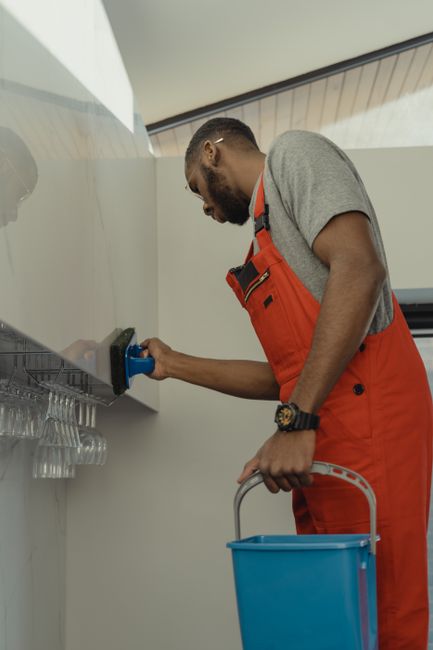
Behind the scenes of a professional deep cleaning schedule
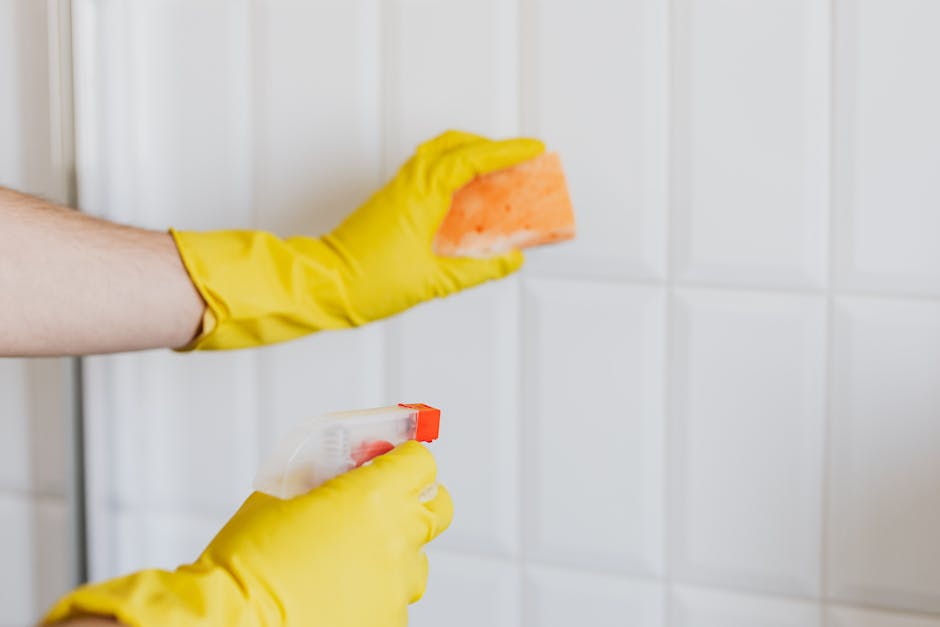
If you have ever wondered what actually happens before, during, and after a professional deep clean, you are not alone. Most people see the polished result: the sink sparkling, the skirting boards dust-free, the oven looking almost new. But behind the scenes of a professional deep cleaning schedule there is a careful system at work, and that system is what makes the difference between a quick surface tidy and a proper, room-by-room reset.
In practice, a good deep cleaning schedule is part planning, part sequencing, and part quality control. It decides what gets cleaned first, which tasks need specialist equipment, where extra dwell time is needed for products, and how the team keeps everything safe and efficient. That may sound a bit unglamorous, but it is exactly why professional results feel so thorough. In this article, we will walk through how the schedule is built, why it matters, who needs it, and what separates a well-run clean from one that just looks busy.
Why behind the scenes of a professional deep cleaning schedule matters
A deep clean is not just a longer clean. It is a different kind of job. The order, timing, and preparation affect everything from hygiene to finish quality, and if the schedule is poorly planned, the results usually show it. You might end up with streaks on glass, cleaner residue on surfaces, missed limescale around taps, or a room that has been cleaned in the wrong sequence and needs revisiting. Annoying, yes. Avoidable, absolutely.
Professional cleaners use schedules to control three things at once: efficiency, standards, and safety. Efficiency matters because a team working in the right order wastes less time moving tools, backtracking, or waiting for products to work. Standards matter because a planned approach helps make sure every touchpoint gets attention. Safety matters because some tasks, especially in kitchens, bathrooms, or post-build environments, involve slip risks, dust, sharp debris, and chemicals that need careful handling.
There is also a trust side to this. When a client understands the structure behind a deep clean, they are more likely to know what is included, what is not, and what kind of finish to expect. That is one reason experienced companies often talk openly about process, insurance, and safety. It is not marketing fluff. It is reassurance backed by how the work actually gets done. If you want to understand the wider company approach too, pages like the about us and insurance and safety pages can help set expectations before you book.
Expert summary: A professional deep cleaning schedule is really a job map. It helps the team clean in the right order, protect surfaces, manage time, and leave fewer details behind.
How behind the scenes of a professional deep cleaning schedule works
A proper schedule starts before the first cloth comes out of the trolley. In a professional setting, the cleaner or team lead usually checks the property type, the condition of the rooms, the scope of work, and any access notes. A one-bedroom flat, a family house, and an office floor all need different sequencing. Even within the same property, a heavily used kitchen can need a very different plan from a spare bedroom.
The scheduling process usually follows a logical flow:
- Initial walkthrough or job brief. The team identifies high-priority areas, stubborn problem spots, fragile materials, and any limitations such as restricted access or limited parking.
- Task grouping. Similar jobs are grouped together. For example, all dusting and dry debris removal might happen before wet cleaning begins.
- Top-to-bottom sequencing. Cleaners work from high surfaces down to low surfaces so dust falls into areas that have not yet been finished.
- Room-by-room timing. Bathrooms may need product dwell time, ovens may require soaking time, and carpets or upholstery may need drying windows.
- Quality check. Final inspection catches fingerprints, streaks, missed edges, and details that are easy to overlook when you have been at the job for hours.
That is the broad shape of it. The detail changes depending on the property and the service. A deep clean for a home, for example, may include kitchens, bathrooms, skirting, switches, door frames, and hard-to-reach dust. If you are comparing service types, the differences between deep cleaning, one-off cleaning, and regular domestic cleaning are worth understanding, because the schedule changes quite a lot from one to the next.
One thing people often do not see is dwell time. That is the period a cleaning solution sits on a surface to help break down grease, grime, or limescale. It sounds small, but it is a big part of the schedule. Too little time and the product does not work properly. Too much, and you risk drying, streaking, or surface damage. The best cleaners build dwell time into the plan instead of guessing on the fly. Bit of a boring detail, but it matters.
Key benefits and practical advantages
The obvious benefit of a professional deep cleaning schedule is that the place ends up cleaner. Fair enough. But the real advantages go further than appearance.
- More consistent results. A planned system reduces the chance of missed corners, streaking, and repeated work.
- Better hygiene control. Dirty zones, especially bathrooms and kitchens, are handled in a sequence that limits cross-contamination.
- Less disruption. When a team knows what comes next, there is less noise, confusion, and moving around the property.
- Safer working conditions. Good scheduling reduces the likelihood of trips, slips, and awkward handling of heavy equipment.
- Cleaner finish on specialist areas. Ovens, carpets, rugs, upholstery, hard floors, and windows each need different methods and timings.
- Clearer expectations for the client. A structured process helps you understand scope, pricing, and likely time on site. If cost planning is on your mind, the pricing and quotes page is a sensible place to start.
There is also a less obvious advantage: scheduling protects the team from burnout during longer jobs. Deep cleaning can be physical work. Kneeling, lifting, stretching, and wiping for hours on end takes a toll. A well-paced schedule reduces rushed mistakes near the end of the shift, when people are tired and attention starts slipping. Let's face it, everyone notices the last five percent of a job more than the first ninety-five.
Who this is for and when it makes sense
Not every property needs a deep clean every week, and that is fine. The schedule becomes especially useful when the cleaning needs are more demanding than a normal tidy-up. That usually includes situations like:
- moving into a new home and wanting a proper reset
- moving out and needing the property cleaned to a higher standard
- post-renovation or post-refurbishment dust removal
- after a long period of neglect or heavy use
- pre-sale preparation, where presentation matters
- seasonal resets, especially after winter or before guests arrive
- busy homes with pets, children, or multiple occupants
- offices that need detailed attention beyond day-to-day cleaning
For businesses, a professional schedule can be the difference between an office that merely looks presentable and one that feels properly maintained. A planned clean around desks, shared kitchens, washrooms, floor areas, and touchpoints is much easier to manage through office cleaning or through dedicated office cleaners. In homes, the same principle applies, just with more clutter, more personal items, and usually a lot more discussion about who owns that random cable in the corner.
It also makes sense for people who simply do not have the time or energy to break a large job into sections. If your weekends are already packed, a professional schedule removes the mental load. You do not need to guess whether to clean the bathroom first or the kitchen first, or whether to tackle the oven before the fridge. That part is handled for you, and that peace of mind is worth a lot.
Step-by-step guidance
Here is how a strong professional deep cleaning schedule usually unfolds from start to finish. This is the bit most people actually want to know.
1. Assess the property and define the scope
The team starts with a simple question: what needs doing today, and what does good look like? Some jobs are light but detailed. Others are more intensive and need specialist methods. The scope should cover rooms, surfaces, appliances, and any add-ons such as carpet or upholstery cleaning.
2. Prioritise the dirtiest and most time-sensitive areas
Bathrooms and kitchens often go early because they are heavily used and often require dwell time for products. After-builders work may need dust extraction and debris removal first. In properties with carpets or rugs, dry soil removal usually comes before any wet treatment. That sequence is not just tidy; it protects the finish.
3. Remove dry debris before introducing moisture
This is a big one. Dust, grit, plaster residue, crumbs, and hair should be removed before wet cleaning. If not, you can end up dragging grime around or turning dust into sticky paste. Not ideal. In homes with specialist floor types, a hard floor cleaning approach may be used carefully to protect the surface while still lifting marks.
4. Work from high to low, then from clean to dirty
Professional cleaners typically start at higher points like shelves, tops of doors, light fixtures, and frames, then move downward to surfaces, skirting, and floors. Within each room, they often work from the cleanest area toward the dirtiest area so they do not undo their own progress. Simple idea, huge payoff.
5. Use the right method for each material
One cleaner does not suit everything. Glass, stone, laminate, fabric, sealed wood, and stainless steel all behave differently. A deep cleaning schedule should give each surface the right treatment and drying time. For instance, a greasy oven needs a different process from a sofa, and a carpet should not be treated like a hard floor. If those areas need specialist attention, services such as oven cleaning, carpet cleaning, sofa cleaning, and upholstery cleaning may be built into the plan.
6. Allow time for detailing and final inspection
The last stage is where the schedule earns its keep. Edges, handles, switches, and awkward gaps are checked again. Windows may be inspected for smears, taps for water spots, and floors for residue. A final pass sounds small, but that is often where the polished finish comes from.
7. Close out with drying, ventilation, and client handover
Once the main cleaning is done, the property should be left in a sensible condition for drying and ventilation. If fabrics, carpets, or rugs have been treated, this becomes even more important. A good handover also includes a quick explanation of any areas that need extra drying time or care.
Expert tips for better results
After enough deep cleans, certain habits become second nature. These are the ones that save time and improve results without making the process complicated.
- Build in buffer time. Real homes and real offices are unpredictable. Schedules that are too tight tend to fall apart as soon as one room takes longer than planned.
- Protect delicate finishes early. If a surface is easily scratched or dulled, mask it mentally before the job begins and choose gentler products.
- Keep a separate detail cloth for touchpoints. Handles, switches, and taps collect fingerprints fast. Using one cloth for everything is asking for trouble.
- Check corners and edges twice. Dust loves the places people forget. Corners, skirting boards, behind toilets, under radiators. You know the spots.
- Ventilate as you go. Fresh air helps with drying and reduces product smell. In the middle of winter, this can be a bit chilly, but it is worth it.
- Document exceptions. If a stain, mark, or damaged surface cannot be fully treated, note it clearly rather than pretending it was never there.
For larger or more sensitive jobs, choosing a reliable cleaning company matters because the schedule is only as good as the people running it. And yes, training does show in the details. So does patience, which is less glamorous than it should be.
If you are comparing home support options, looking at home cleaners or broader house cleaning services can help you decide whether you need a regular maintenance plan or a deeper one-off reset. Different jobs, different rhythms.
Common mistakes to avoid
Most deep clean problems come from the schedule, not the scrubbing. That is the honest truth.
- Starting wet cleaning too early. If dust and debris are still present, the finish will suffer.
- Cleaning in the wrong order. Floors first, then ceiling dust? You will just have to redo the floor. Painfully inefficient.
- Using the same method everywhere. What works on a sink will not necessarily work on fabric or natural stone.
- Underestimating access issues. Parking, lifts, stairs, and locked rooms all affect timing.
- Skipping the final inspection. This is where missed streaks and tiny details are caught.
- Ignoring drying time. A room may look finished while still being damp or tacky. That can cause smears and re-soiling.
A more subtle mistake is overpromising. A professional schedule should be realistic. If a room has heavy grease, ingrained limescale, or post-builder dust in every crevice, the team needs enough time to handle it properly. Speed is useful. Speed without care is not.
Tools, resources and recommendations
A deep cleaning schedule only works if the right tools are available at the right point in the job. Professionals typically organise equipment in a way that mirrors the sequence of tasks, which avoids constant back-and-forth to the van or storage area.
| Task | Common tools or resources | Why it helps in the schedule |
|---|---|---|
| Dust removal | Microfibre cloths, dusters, vacuum with attachments | Prevents debris from being pushed around later |
| Kitchen detailing | Degreasers, non-scratch pads, cloths, scraper tools | Handles grease without damaging surfaces |
| Bathroom cleaning | Limescale remover, grout brushes, toilet-safe products | Allows for proper dwell time and targeted cleaning |
| Floor cleaning | Vacuum, mop system, neutral cleaner, specialist pads | Protects the finish and reduces streaking |
| Fabric care | Spot treatment, upholstery tools, extraction equipment | Supports drying and limits over-wetting |
| Final inspection | Bright torch, checklist, clean dry cloths | Helps spot leftovers and streaks quickly |
Practical tip: keep your tools arranged by room flow, not by product type alone. That small organisational choice often saves more time than people expect. If you are dealing with a specific surface, it may also be worth checking dedicated services such as carpet cleaning or window cleaning so the right equipment and process can be matched to the task.
For customers who want clarity around booking terms, payment, and personal data, it is also sensible to review the provider's payment and security and privacy policy pages. That is not glamorous reading, no, but it tells you how the company handles the practical side of the job.
Law, compliance, standards, or best practice
For a deep cleaning schedule, the most relevant compliance concerns are usually safety, insurance, product handling, waste handling, and fair trading. In the UK, professional cleaning businesses generally need to follow sensible health and safety practices, use products appropriately, and make sure staff are trained to work safely around chemicals, electrical items, slips, and manual handling risks.
Clients do not need to know every internal policy, but they should expect a company to take care with risk and communication. That means clear booking information, honest scoping, and a process for dealing with problems if they come up. A well-run firm should also be transparent about complaints handling and general conditions. If you are comparing providers, pages like health and safety policy, complaints procedure, and terms and conditions can be useful for understanding how the business operates.
There is also a sustainability angle. Good scheduling can reduce unnecessary waste, overuse of disposable materials, and repeat trips. That links neatly with recycling, product usage, and sensible consumption of supplies. If that matters to you, the company's recycling and sustainability information is worth a look. It is a small detail, but it says a lot about working habits.
Best practice, in plain English, means this: clean safely, clean consistently, communicate clearly, and do not cut corners when the job needs patience.
Options, methods, or comparison table
Not every clean should be scheduled the same way. Here is a simple comparison of common approaches.
| Method | Best for | Typical strengths | Limitations |
|---|---|---|---|
| Regular maintenance cleaning | Weekly or fortnightly upkeep | Quick, consistent, easier to manage | Usually not enough for built-up grime |
| One-off deep cleaning | Resetting a neglected or busy property | More detailed, more flexible, more thorough | Takes longer and costs more than routine visits |
| End of tenancy cleaning | Move-out situations | Targets property presentation and handover standards | Needs a tighter scope and time plan |
| After-builders cleaning | Dusty, post-renovation spaces | Handles fine dust and debris carefully | Can require specialist sequencing and extra time |
If you are deciding between these, think about the state of the property, how quickly it needs to be ready, and whether there are specialist surfaces or problem areas. A home with years of accumulated dust and a tired oven is not the same job as a move-out flat with some scuffs and a few marks. Truth be told, that distinction saves a lot of disappointment later.
Case study or real-world example
Imagine a busy family home on a Friday afternoon. There are muddy hallway marks, a kitchen with sticky cupboard handles, a bathroom with limescale around the tap, a living room carpet showing traffic lanes, and a sofa with drink marks on one arm. Nothing dramatic, just the sort of mess real life leaves behind.
A professional schedule for that property would not start with the sofa and then wander around the house. It might begin with a quick assessment, followed by dry debris removal, then kitchen and bathroom treatment while products are left to work, then soft furnishings and carpets, and finally a detailed finish on handles, edges, glass, and floors. The team would keep an eye on drying, avoid re-contaminating cleaned areas, and finish with a proper check of the places people tend to miss.
The result is not only a better-looking home. It feels calmer. The kitchen smells fresher, the hallway looks less tired, and the rooms no longer seem like they are all competing for attention. That is the quiet value of a good schedule. It gives the whole place a bit of breathing room.
In a commercial setting, the same logic works at a different scale. Offices often need a clean that fits around people arriving, leaving, and moving through shared spaces. A methodical schedule keeps disruption low and standards steady. It is less about drama, more about rhythm. Pretty satisfying when it is done properly, actually.
Practical checklist
Use this as a quick pre-clean or booking checklist.
- Confirm the property type and number of rooms
- List any specialist areas such as ovens, carpets, rugs, upholstery, or windows
- Note access issues, parking limits, or entry instructions
- Identify fragile surfaces, stains, or known problem spots
- Decide whether the job is a one-off deep clean, end of tenancy clean, or after-builders clean
- Check whether timing allows for drying and ventilation
- Ask how the company handles insurance, safety, and complaints
- Review pricing, scope, and any exclusions before the visit
- Make sure personal items are moved where needed
- Leave enough space for the team to work room by room
If you are still deciding on the right support, it can help to compare cleaners with a more specialised option like one-off cleaning. The right choice depends on whether you need routine upkeep or a deeper reset. Sometimes the answer is obvious, sometimes it is not.
Get a free quote today and see how much you can save.
Conclusion
Behind the scenes of a professional deep cleaning schedule, the real work is organisation, sequencing, and judgement. The cloths and products matter, of course, but the schedule is what turns effort into a proper result. It keeps the process safe, efficient, and thorough. It also helps manage expectations, which is half the battle with any deep clean.
If you remember nothing else, remember this: the best deep cleans are not rushed, random, or improvised. They are planned around the property, the materials, the mess, and the finish the client actually wants. That is what makes them feel professional rather than just busy. And honestly, that difference shows straight away when you walk back into the room.
When done well, a deep clean leaves more than a polished surface. It gives you a fresh start, and that can be a quiet relief on an ordinary day.
Frequently Asked Questions
What is behind the scenes of a professional deep cleaning schedule?
It is the planning process that decides the order, timing, tools, and methods for a deep clean. It covers things like room sequence, dwell time, safety checks, and the final inspection.
Why does the order of cleaning matter so much?
Order matters because cleaning in the wrong sequence can spread dirt, create streaks, or force the team to redo work. A top-to-bottom and clean-to-dirty approach usually gives the best finish.
How long does a professional deep clean usually take?
It depends on the property size, condition, and scope. A small, tidy flat takes less time than a heavily used family house or a post-build property with fine dust everywhere.
What is dwell time in cleaning?
Dwell time is the period a cleaning product stays on a surface so it can break down dirt, grease, or limescale. A good schedule builds this in instead of rushing past it.
Is a one-off deep clean the same as regular cleaning?
No. Regular cleaning is for ongoing upkeep, while a deep clean is more detailed and usually handles built-up grime, hidden edges, and neglected areas that normal visits may not reach.
Do I need to prepare my home before a deep clean?
Usually a little, yes. Moving personal items, clearing sink areas, and giving access to key rooms makes the job easier and more effective. The cleaner can then focus on the actual detailing.
Can a deep cleaning schedule include carpets and upholstery?
Yes, if those services are part of the job. Items like carpets, rugs, sofas, and upholstery often need their own process and drying time, so they are scheduled separately within the visit.
What makes a professional schedule better than doing it myself?
Professionals bring structure, equipment, experience, and a clear sequence. That usually means fewer missed spots, less rework, and a more even result across the whole property.
How do cleaners handle safety during a deep clean?
They should use appropriate products, avoid cross-contamination, manage slips and trips, and follow sensible handling procedures for chemicals and equipment. Good providers also carry insurance and work to a health and safety policy.
What should I ask before booking a deep clean?
Ask what is included, how long the job is likely to take, whether specialist tasks are extra, and how the company handles pricing, payment, and complaints. Clear answers are a good sign.
Is a deep clean worth it for an office or commercial space?
Often, yes. Offices benefit from a structured clean because shared kitchens, washrooms, floors, and touchpoints can build up quickly. A planned schedule keeps the space presentable without unnecessary disruption.
How often should a property get a deep clean?
That depends on usage, lifestyle, and condition. Some homes need it seasonally or after a major event, while others only need it occasionally. Offices and rental properties may need a different rhythm altogether.
Where can I learn more about the company and its standards?
Useful starting points include the about us, health and safety policy, and pricing and quotes pages. They help you understand how the service is organised and what to expect.