Deep cleaning in Deep Deep Cleaning for homes and workplaces that need a thorough reset

Deep cleaning in Deep Deep Cleaning is a detailed, room-by-room service for properties that need more than routine upkeep. It focuses on built-up dirt, neglected corners, surfaces that are rarely reached in weekly cleaning, and the careful treatment of fixtures and fittings that benefit from a slower, more methodical approach. The aim is a cleaner, fresher interior with attention given to the areas that standard cleaning often leaves behind.
We work across kitchens, bathrooms, living areas and shared spaces, using a structured process that can be adapted to the condition of the property. That may include detailed wiping of surfaces, cleaning around appliances, degreasing where needed, scale removal in suitable areas, dusting above eye level and careful attention to skirting boards, door frames and switches. If you are comparing options, the most useful next step is often to think about which rooms need the most attention and what outcome you want from the visit.
If you would like to talk through the scope first, start with a clear list of the areas involved and any items that need special care. It is also sensible to note whether the property is occupied, empty or between tenancies, because that affects how the work is approached. For a straightforward quotation, you can also use the pricing page or send an enquiry when you are ready.
Kitchen and appliance deep cleaning
Kitchen cleaning usually forms a large part of any deep clean because cooking areas collect grease, food residue and dust in places that are easy to overlook. A thorough kitchen service can include cabinet fronts, splashbacks, worktops, extractor covers, reachable appliance exteriors and the surrounding areas where crumbs and staining build up. Where access allows, attention can also be given to edges, handles, seals and the tops and sides of fixtures that are not part of a standard wipe-down.
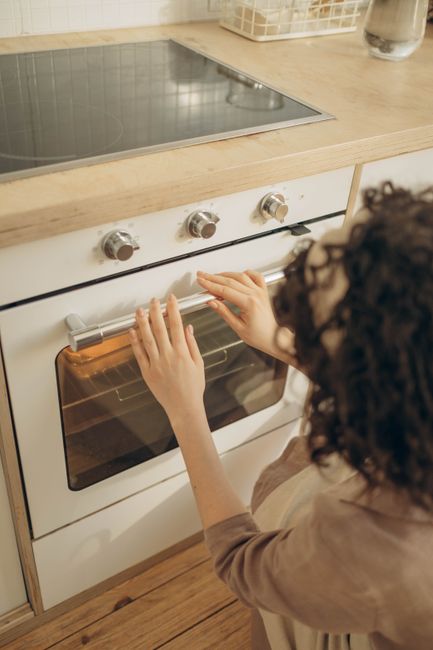
Ovens, hobs and similar fixtures often need a more detailed method than general surface cleaning. Our oven cleaning service is relevant where burnt-on residue, grease and discolouration need concentrated attention, while broader kitchen work can be discussed alongside the overall deep clean. In properties where flooring also needs a refresh, it can be sensible to pair the room clean with hard floor cleaning so the room feels consistent from top to bottom.
Useful preparation: please leave a little access around worktops, sinks and major appliances so the cleaner can reach the detailed areas safely. If there are fragile items, sensitive surfaces or appliances that should not be moved, mention them in advance. For an accurate quotation, the most helpful details are the number of rooms, the condition of the kitchen and whether any specialist treatment is needed for appliances, floors or fixed fittings.
Bathroom, washing and hygiene-focused cleaning
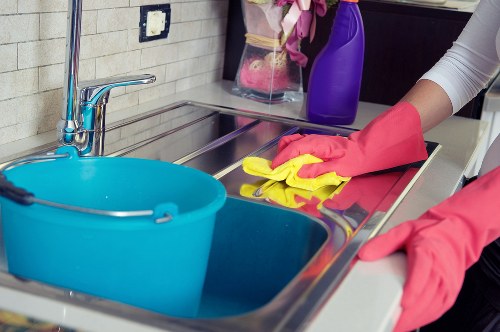
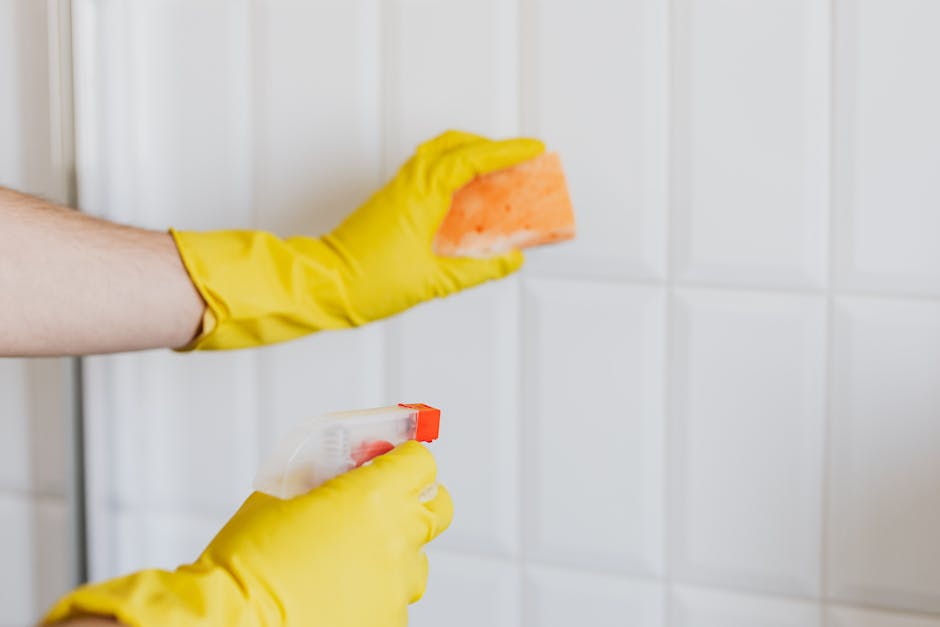
Bathrooms call for a different kind of deep clean because limescale, soap residue and moisture-related grime can affect taps, tiles, shower screens, toilets and surrounding fittings. This type of work is usually more detailed than everyday maintenance, with attention paid to sinks, basins, grout lines, tile edges, fixture bases and other surfaces where build-up tends to collect. The result is a room that looks cleaner and is easier to maintain afterwards.
In some properties, bathroom deep cleaning can be part of a wider internal reset that also includes other specialist rooms. For example, homes with tired soft furnishings may benefit from upholstery cleaning or sofa cleaning when the aim is to refresh both hard surfaces and fabric items. If you are arranging multiple areas, it helps to group the rooms that need the most detailed attention so the quotation reflects the real scope rather than a generic visit.
Bathrooms often need the most careful handling of any room, especially where finishes vary from tile to paint, or where older sealants and fittings are present. We keep the work focused on cleaning rather than unnecessary disruption, and the service can be scaled to suit a single room or several washrooms in the same property. If you are planning a quotation, please note any access issues, the size of the rooms and whether you need a one-off clean or a full property deep clean.
Floor, fabric and finish care
Many customers ask for deep cleaning because floors, carpets and fabrics make the biggest visual difference once the main surfaces are done. In the right setting, a deep clean can be combined with targeted treatment for carpets, rugs, sofas and other upholstered items, giving the property a more complete finish. These services are useful where dirt is embedded, spill marks are visible or the fabric surfaces simply need a more intensive refresh than normal vacuuming can provide.
Our carpet and soft furnishing pages explain those options in more detail. You can review carpet cleaning if the flooring is a priority, or look at rug cleaning where a separate loose rug needs care. For fabric furniture, upholstery cleaning offers a broader approach, while sofa cleaning is a good fit when a main seating piece needs focused attention. The best choice depends on the materials present and the visible condition of each item.
Not every property needs every treatment, so it is useful to separate what must be included from what would simply be nice to have. That makes the proposal clearer and avoids paying for services that do not add much value to the result. If you are unsure whether a surface is suitable for specialist cleaning, describe the material and condition when you ask for a quotation so the recommended scope is realistic and practical.
One-off cleaning for occupied, empty and changing properties

Deep cleaning is often requested as a one-off service when a property needs a noticeable reset rather than a repeating schedule. That can suit homes that have fallen behind on maintenance, properties being prepared for new occupants, or spaces that need a thorough internal clean after a period of heavy use. The emphasis is on detail and consistency, making sure the work covers visible surfaces as well as the less obvious areas that collect dust and grime.
Our one-off cleaning page is useful if your needs are broader than a single specialist room and you want to understand how an occasional visit can be structured. In many cases, a one-off deep clean can sit alongside other domestic support such as house cleaning or, where there is a straightforward ongoing requirement, domestic cleaning. The right option depends on whether you need a deeper initial clean, a regular upkeep arrangement or both.
When comparing options, think about the outcome you want after the visit: a fresh start, a property ready for viewings, or simply a cleaner home environment with reduced build-up in the most used rooms. A concise brief is usually enough to begin. If the property includes areas with delicate fittings, limited access or mixed floor types, mention those details so the quotation can reflect the actual labour involved rather than a simplified assumption.
End of tenancy and move-related deep cleaning
Move-related cleaning needs a disciplined approach because the property is often judged on its overall condition, not only on the obvious rooms. A deep clean for this purpose may include skirting boards, shelves, internal fixtures, kitchen appliances, bathrooms, floors and overlooked areas that can gather dust during occupation. The focus is on making the interior presentable, fresh and properly finished before handover or occupation.
If you are preparing a let or vacancy, end of tenancy cleaning is the most directly relevant page, while after builders cleaning may be a better fit where dust or residue has come from renovation work rather than from everyday use. In some cases, customers also request house clearance before the final clean so the rooms can be cleaned thoroughly without obstacles. The right mix depends on whether the space needs clearing, detailed cleaning or both.
For move-related quotations, it helps to be specific about the condition of the property, the number of rooms and whether appliances, cupboards or hard floors need separate attention. A short explanation of what must be left ready at the end of the visit is usually more useful than a long general description. If the job includes both internal clearance and deep cleaning, it is sensible to ask for a scope that covers each part clearly.
Commercial and workplace deep cleaning
Offices, shared rooms and regular-use interiors

Deep cleaning is not only for homes. Offices, shared work areas and similar interiors can also benefit from a more detailed service when surfaces, fittings and circulation areas need a proper reset. The work may include desks or work surfaces where appropriate, communal touchpoints, skirtings, glass, kitchenettes, washrooms and floor areas that collect dust and marks in busy environments. The aim is to improve the presentation and cleanliness of the space without disrupting its practical use.
If your premises need that kind of support, office cleaning is the most relevant starting point, with office cleaners offering a broader view of what routine and detailed workplace care can involve. Some commercial spaces also have a strong need for window cleaning when natural light and appearance matter, or facade cleaning where exterior presentation forms part of the brief. Not every workplace needs all of these tasks together, so it is worth choosing only what is practical for the building and the schedule.
Scheduling note: for workplaces, the best quotations come from clear information about access times, the type of premises and the areas that must remain usable during the clean. It also helps to identify any rooms that should be left until last, or any equipment that must not be touched. That way the proposed service reflects how the site actually operates rather than a generic office clean.
How to choose the right deep clean
Choosing the right version of deep cleaning comes down to scope. Some customers need a whole-property refresh, while others only need a few demanding rooms treated in detail. The key difference is whether the work is being used to restore a property after heavier use, support a move, prepare for guests or improve the condition of certain rooms that have fallen behind. Once the purpose is clear, it becomes easier to decide which areas need specialist treatment and which only need standard detailed cleaning.
The most useful quotation requests are short but specific. A simple
- list of rooms
- notes on the condition of the property
- any specialist items such as ovens, carpets or upholstery
You can also think in terms of priorities: what must be cleaned, what would improve the overall result, and what can be left for another visit. That approach is especially useful when comparing a broad deep clean with separate specialist services such as floors, carpets or furniture care. Use the quotation request to describe the outcome you want, not just the rooms themselves, and the response should be easier to compare.
About Deep Deep Cleaning
Deep Deep Cleaning is the only place name supplied here, so this page focuses on the service itself rather than a local profile. The name sits across a repeated-word place or brand style, and the safest way to treat it is as the intended area for this homepage content. The commercial aim is straightforward: to explain a detailed cleaning service that can cover homes, flats, offices and other interiors where a more thorough approach is needed. The wording on this page therefore stays centred on practical cleaning tasks, room types and the choice of specialist options rather than unsupported claims about the business or the locality. That keeps the information useful without inventing details that are not present in the supplied data. If a customer is comparing providers, the clearest way to proceed is to review the relevant service pages, decide which areas need attention and ask for a quotation based on the actual condition of the property.
Pricing, scope and quotation details
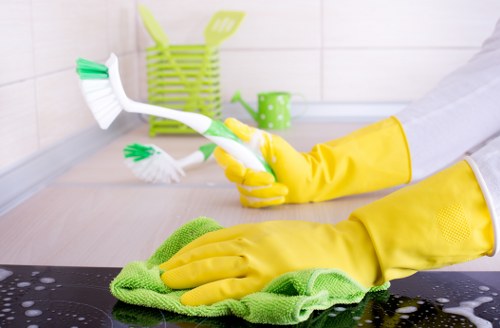
Price for a deep clean is usually shaped by the size of the property, the condition of the rooms, the number of specialist tasks involved and how much detail is required. A two-room refresh is not the same as a full internal clean with appliances, bathrooms, carpets and furniture included. That is why a useful quotation is based on the real scope rather than a generic estimate. Clear information at the start helps keep the proposal balanced and appropriate to the work needed.
Where a property needs several kinds of cleaning, it can be helpful to compare the main service pages before asking for a quote. For instance, a room with furniture that needs attention may be better served by sofa cleaning or upholstery cleaning in addition to the general deep clean. If the property also needs glass or external presentation work, the relevant pages are window cleaning and facade cleaning. Choosing the right combination prevents the quotation from being broader than necessary.
Request a quotation when you are ready, and include the rooms, the materials that need care and any services you want bundled into the visit. If you prefer to compare options first, the pricing and quotes page is the natural place to begin. A clear brief makes it easier to suggest the right level of deep cleaning without adding unnecessary extras.